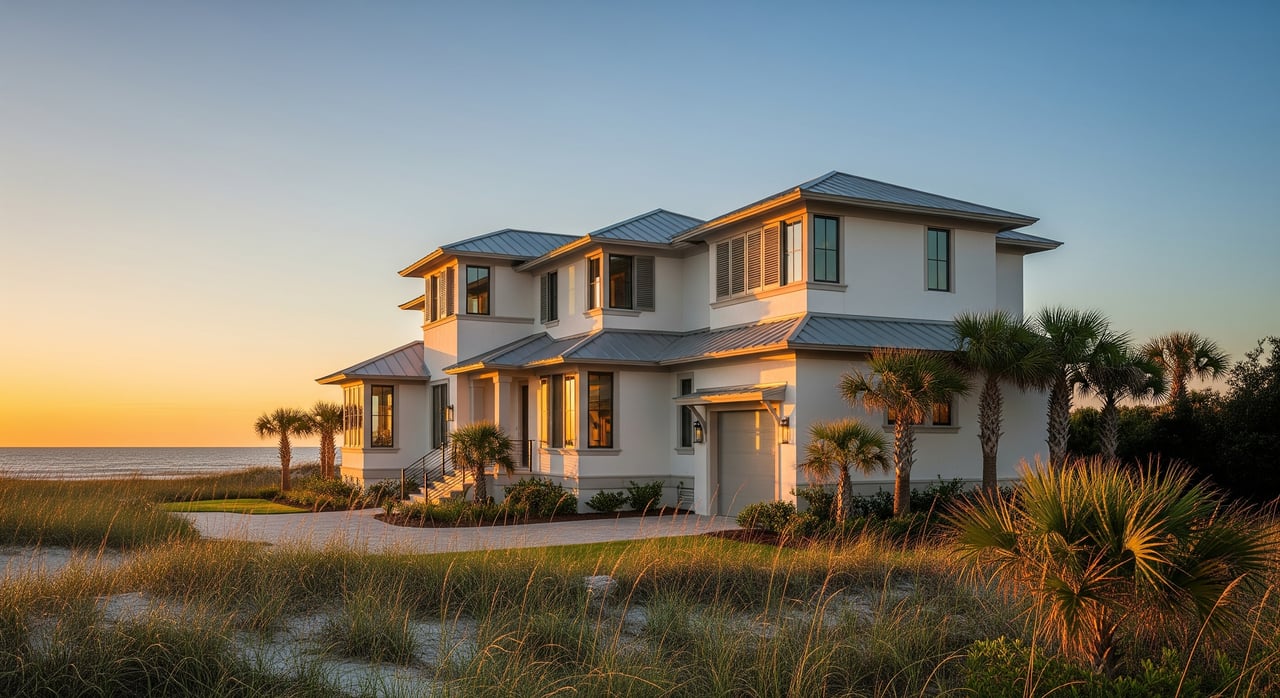
Paying too much for homeowners insurance in Ponte Vedra Beach? You are not alone. Coastal exposure can push premiums higher, especially for the wind portion of your policy. The good news: a simple wind mitigation inspection can unlock meaningful credits if your home has the right features. In this guide, you will learn what the inspection covers, which upgrades earn credits, how much it costs, and how to time it for the biggest impact. Let’s dive in.
What a wind mitigation inspection is
A wind mitigation inspection documents features that help your home resist hurricane-force winds. Insurers use the report to apply discounts to the wind portion of your homeowners policy. The inspection focuses on structural and opening protection elements, not overall home condition.
This is different from a general home inspection. It will not replace a full inspection before you buy. It also does not affect flood insurance, which is separate and handled through federal or private programs.
How insurers use it in Florida
Florida has a standardized process and form that licensed professionals complete to document wind-resistant features. Carriers review the form and photos, then apply credits if your home qualifies. Newer-code homes in Florida often earn larger credits because they were built or re-roofed to higher standards.
Credits apply only to the wind portion of your premium. Savings depend on your insurer, your coverage, and the combination of features your home has.
Features that earn credits
Inspectors look for specific elements that lower wind risk. The more of these features you have, the better your potential savings.
Roof covering
- What they check: Roofing material, age, and wind rating. Documentation like permits or product specs helps.
- Why it matters: Newer, rated roof coverings resist wind uplift more effectively.
Roof deck attachment
- What they check: How the roof sheathing is fastened to rafters or trusses, including nail size and spacing.
- Why it matters: Stronger attachment reduces the chance of the deck blowing off in high winds.
Roof-to-wall connections and roof shape
- What they check: Hurricane straps or clips, toe-nailing, and overall roof shape like hip vs. gable.
- Why it matters: Continuous straps or clips and hip roofs reduce uplift and improve structural performance.
Opening protection
- What they check: Impact-resistant windows and doors or approved shutters and coverings, including the garage door.
- Why it matters: Protected openings lower the risk of internal pressurization that can lead to roof and wall failure.
Secondary water barrier
- What they check: Underlayment systems or self-adhering membranes that limit water intrusion if shingles are damaged.
- Why it matters: A secondary barrier helps keep water out during wind-driven rain events.
Code and permit evidence
- What they check: Proof that a roof was installed or replaced under current building codes.
- Why it matters: Code-compliant installations tend to meet higher wind standards and may unlock credits.
Gable-end bracing and reinforcements
- What they check: Bracing on gable ends and other structural supports.
- Why it matters: Reinforcements reduce local failures that can cascade into larger damage.
What to expect during the inspection
A typical wind mitigation inspection takes about 20 to 60 minutes for a single-family home. Many inspectors focus on the exterior and will access the attic to verify roof-to-wall connections and sheathing details when possible.
You will receive a completed wind mitigation form with photos. You or your agent then provide it to your insurer for review. Carriers may request additional documentation. If features change in the future, an insurer may ask for an updated inspection.
Who can perform it
In Florida, licensed general contractors, roofing contractors, certified building inspectors, and licensed home inspectors with wind mitigation training commonly perform these inspections. Many insurers accept reports from licensed professionals who follow the state form and standards.
Costs and expected savings
Wind mitigation inspection fees in Florida typically range from about $100 to $250 in suburban and coastal markets. Larger homes or complex attic access may increase cost.
Savings vary by insurer and the features your home has. Typical cumulative discounts in Florida can range from roughly 10% to 40% off the wind portion of your premium when multiple credits apply. If your annual premium is $4,000 and the wind portion is 50% of that, a 25% reduction on the wind portion could save about $500 per year. With a $200 inspection, the payback period could be just a few months. Your results will depend on your home’s features and your carrier’s rules.
Local insights for Ponte Vedra Beach
Ponte Vedra Beach sits on the coast in St. Johns County. While it is outside Florida’s High-Velocity Hurricane Zone, coastal proximity increases exposure to wind and wind-driven rain. That makes documented wind-resistant features even more valuable for risk reduction and potential savings.
St. Johns County follows the Florida Building Code, which has strengthened wind requirements over time. Homes built or re-roofed under newer code editions often qualify for more credits. Local permitting records can be an important part of your documentation. If you are buying, ask for the roof permit history and any final reports for recent replacements.
Salt air and storms can affect roof condition. Regular maintenance and timely roof replacement under permit can help you preserve eligibility for credits and maintain your home’s resilience.
When to schedule your inspection
Timing matters. For the best results, schedule a wind mitigation inspection before closing on a home or before your policy renewal date. This gives your insurer time to apply credits.
If you are in escrow, ask the seller to share any recent wind mitigation reports and roof permits. If none exists, order your own during the inspection period. For policy renewals, plan ahead so you can submit the report to your carrier without delay.
Documents to gather
Strong documentation helps maximize credits. Collect and save:
- Roof replacement permits and final inspection reports
- Product approvals or manufacturer labels for impact-rated windows, doors, and shutters
- Attic photos showing hurricane straps, nail patterns, and underlayment where visible
- Invoices with dates and product names for roof and opening protection upgrades
Smart upgrades and ROI
If your inspection shows gaps, consider targeted improvements. Focus on upgrades that commonly produce credits and reduce risk.
- Impact-rated openings: Impact windows or approved shutters protect against windborne debris and pressurization. The garage door is a common weak point. Reinforced or impact-rated doors can help.
- Roof improvements: When reroofing, use code-compliant materials, proper deck nailing, and a secondary water barrier. Keep all permits and final inspection records.
- Roof-to-wall connections: Where feasible, adding or improving clips and straps can improve resistance. Confirm scope and cost with a licensed contractor.
Weigh retrofit costs against potential premium savings and overall risk reduction for your location. Not every retrofit pays back quickly, but many owners value the added resilience.
Buyer and seller playbook
If you are buying in Ponte Vedra Beach, add a wind mitigation inspection to your due diligence. Ask for seller records, including roof permits and product documentation. Use the findings to estimate your insurance costs more accurately.
If you are selling, consider ordering an inspection and gathering permits before listing. Clear documentation can help buyers and insurers recognize the value of your home’s wind-resistant features.
As part of our concierge approach, we can connect you with licensed wind mitigation inspectors and help you organize documentation so you can submit a complete, clear package to your insurer.
Key takeaways
- A wind mitigation inspection can reduce the wind portion of your premium if your home has qualifying features.
- Features like impact openings, roof deck attachment, hurricane straps, secondary water barriers, and code-permitted roofs often drive credits.
- In Ponte Vedra Beach, coastal exposure makes both resilience and documentation important.
- Time your inspection before closing or renewal, and gather permits and product labels to support your credits.
Ready to make insurance and resilience work in your favor? Reach out to the Sarah Schwartz Group for local guidance, inspector introductions, and a streamlined plan that fits your timeline.
FAQs
What is included in a wind mitigation inspection for a Florida home?
- A focused review of wind-resistance features like roof covering, deck attachment, roof-to-wall connections, opening protection, secondary water barriers, and related permits.
How much do wind mitigation inspections cost in Ponte Vedra Beach?
- Typical local pricing falls around $100 to $250 for a standard single-family home, with larger or complex properties sometimes higher.
How much can I save on homeowners insurance with wind mitigation credits?
- Savings vary, but common cumulative discounts range from about 10% to 40% off the wind portion of the premium when multiple features qualify.
Does a wind mitigation inspection replace a general home inspection when buying?
- No. It does not evaluate overall condition. You still need a full home inspection to assess systems and defects.
Does wind mitigation affect flood insurance costs in St. Johns County?
- No. Wind mitigation credits apply only to wind coverage on your homeowners policy. Flood insurance is separate and follows different rules.
Who can complete a wind mitigation inspection in Florida?
- Licensed general or roofing contractors, certified building inspectors, and licensed home inspectors with wind mitigation training are commonly accepted by insurers.