Love the character of a 1920s bungalow but unsure what it really costs to own? You’re not alone. Buying a historic home in Avondale can be deeply rewarding, yet it comes with unique inspections, approvals, and budget lines you won’t see in newer builds. In this guide, you’ll learn what “historic” means in Avondale, which updates need approval, the must‑have inspections, typical repair costs, and how insurance works on older homes. Let’s dive in.
Why Avondale’s homes stand out
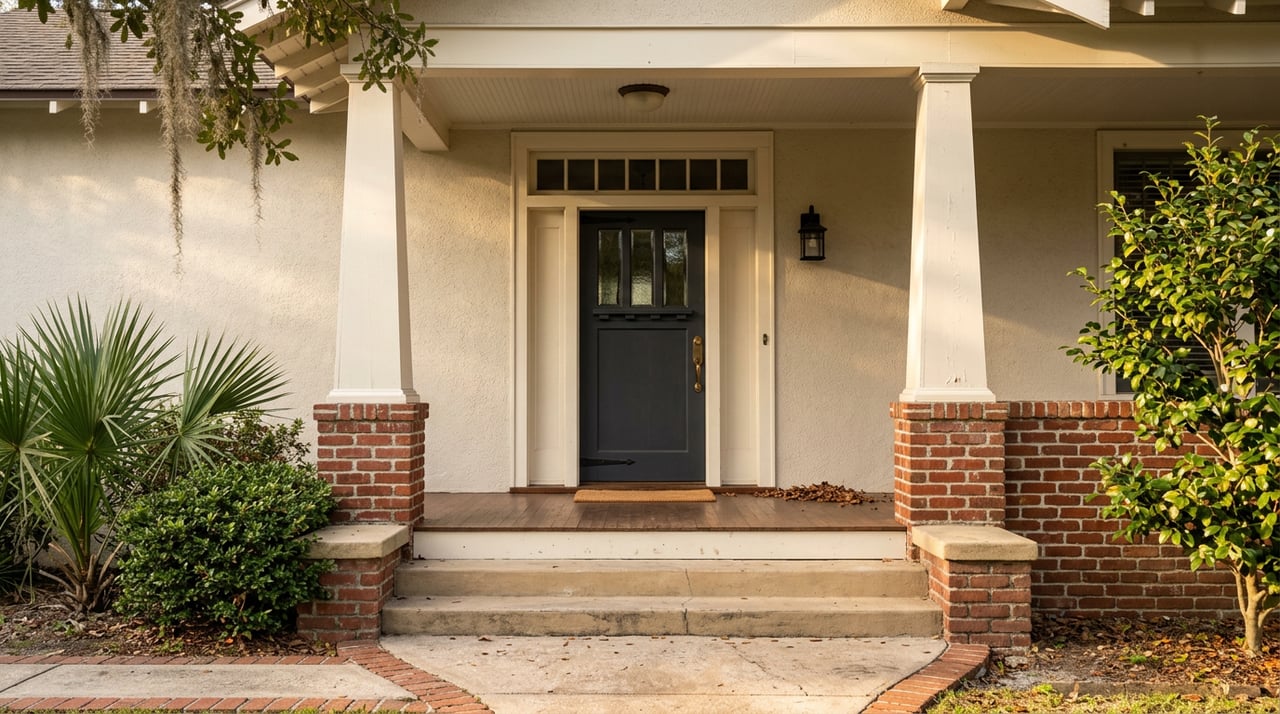
Avondale is part of Jacksonville’s Riverside & Avondale historic area, known for early 20th‑century homes and curving, tree‑lined streets. Most properties were built between 1909 and 1936, and many still feature original materials that define the neighborhood’s look and feel. You’ll see Craftsman and bungalow styles, Prairie‑influenced plans, Mediterranean and Spanish touches, and Colonial or Neoclassical details.
Those original elements matter. Features like wood‑sash windows, plaster walls, hardwood floors, and tile or standing‑seam roofs often shape your maintenance plan and which contractors you will need. The City’s Riverside & Avondale design guidelines explain how these features are treated during renovations and what requires approval. You can review the official guidance in the City’s Historic Preservation Guidelines for Riverside & Avondale.
Avondale also sits near the St. Johns River. Some blocks may be affected by riverine or urban flooding, while others are not. Do not assume a single flood status for the whole neighborhood. Start with the City’s flood protection information and confirm a property’s panel at FEMA’s Flood Map Service Center.
Preservation rules buyers must know
What needs approval
Avondale’s exterior changes are reviewed locally. Many projects require a City of Jacksonville Certificate of Appropriateness, known as a COA. Small items can get staff review, while major changes go to the Historic Preservation Commission. The district uses the Secretary of the Interior’s Standards for Rehabilitation, which favors repair over replacement where feasible. Expect exterior features like porches, windows, roof form, and cladding to be prioritized for repair or in‑kind replacement. The City’s design guidelines outline which projects need a COA and how the process works.
Contributing status and timing
Before you buy, check whether the home is a “contributing” structure in the local or National Register district. Contributing properties are typically subject to the full set of rules for exterior work. Ask about COA timelines early. Larger projects can take multiple commission cycles. You must secure the COA before final building permits for exterior changes, or you risk delays and enforcement.
Energy and efficiency choices
Because the Secretary’s Standards emphasize repair first, most programs encourage upgrades that preserve historic character. Examples include weatherstripping, interior storm windows, storm panels, and adding insulation in non‑character‑defining spaces. The City guidelines follow these principles.
Smart due diligence and inspections
Historic homes deserve a more detailed inspection plan. In Florida, some inspections are regulated and must be performed by licensed pros. Build these into your offer timeline.
Core inspections to order
- Full home inspection by a licensed or credentialed inspector to assess structure, roof, moisture, and systems.
- Wood‑Destroying Organisms (WDO) inspection using Florida’s official Form FDACS‑13645. Older crawlspace homes in Avondale make this especially important. Learn what the report covers in the state’s WDO overview.
- Sewer lateral camera scope to check for root intrusion, offsets, or collapse in older clay or cast‑iron laterals. See why this matters in this sewer scope explainer.
- Roof inspection plus a wind‑mitigation evaluation. In Florida, roof age and hurricane‑resistant features can affect your premium. The Uniform Mitigation Verification Inspection (OIR-B1-1802) is the standard form insurers use. Find details at the Florida Office of Insurance Regulation’s wind mitigation resources.
- Electrical safety assessment by a licensed electrician to look for knob‑and‑tube or cloth wiring and outdated panels. These can impact insurability and financing.
- Plumbing review and water test if the home predates 1986 and could have galvanized pipe, lead solder, or other issues.
- Hazardous materials screening. For pre‑1978 homes, you will receive a lead disclosure and can request testing. Hire EPA RRP‑certified contractors if renovations will disturb painted surfaces. Read the EPA’s lead disclosure guidance for details.
- Chimney and crawlspace checks for moisture, grading, and ventilation concerns.
Sequencing and contract tips
- Order the WDO and sewer scope early. They can influence lender eligibility and major repair budgets.
- Use inspection addenda that allow you to bring in specialists if your general inspector flags issues.
- Negotiate seller repairs, escrow holdbacks, or the right to cancel if structural or WDO findings exceed your comfort level.
Costs you should plan for
Every home is different, so get local quotes. These ballpark ranges are examples based on consumer surveys and industry guidance.
- Roof replacement. Asphalt shingle projects often land in the low to mid five figures nationally, with many quotes in the 6,000 to 13,000 dollar range depending on size and complexity. See typical ranges in this roof cost guide. Tile repairs or replacements can run higher.
- Electrical rewiring. If you find active knob‑and‑tube or degraded cloth wiring, budget for partial or full rewiring plus a panel upgrade. National surveys place full rewires in the low five figures for typical homes, often higher when walls must be opened. Review common ranges in this knob‑and‑tube replacement overview.
- Plumbing and sewer. Repiping older galvanized lines varies widely by scope. Sewer lateral replacement can run from a few thousand to over 10,000 dollars depending on length and access. A sewer scope helps you avoid surprises.
- WDO repairs. Treatment can be modest, but structural wood repairs climb with the extent of damage. Use the state’s WDO guidance to understand reporting and next steps.
- HVAC and ductwork. Older or undersized systems may require replacement or new ducts. Whole‑system projects for Florida homes often fall in the mid‑thousands to low five figures depending on capacity and duct scope.
- Historic finishes. Plaster repair, historic wood window restoration, and period‑correct carpentry typically cost more per hour than standard drywall or off‑the‑shelf replacements. The City’s guidelines encourage repair over replacement, which preserves character and often simplifies approvals.
Prioritize in this order
- Safety and insurability: electrical hazards, active WDO, major structural issues, roof leaks that allow water in.
- Envelope and drainage: roofs, gutters, grading, crawlspace moisture control.
- Mechanical systems: HVAC, plumbing, and electrical brought to reliable standards.
- Historic‑sensitive exterior work: windows, porches, and siding planned in coordination with COA review.
Insurance and financing basics for older homes
Wind mitigation and roof age
Florida insurers offer discounts for documented hurricane‑resistant features. A Uniform Mitigation Verification Inspection (OIR-B1-1802) is the standard way to capture those credits. Roof age and remaining life influence whether a carrier will issue or renew coverage. Review the Florida Office of Insurance Regulation’s wind mitigation resources and ask your agent what documentation helps most.
Flood coverage
Flood insurance is separate from homeowners coverage. If a property sits in a Special Flood Hazard Area on FEMA maps, a lender may require flood insurance. Flood maps can change, so verify the panel and consider an elevation certificate for rating. Start with the City’s flood protection page and confirm at FEMA’s flood map center.
Older system underwriting
Some insurers will not write policies on homes with active knob‑and‑tube or deteriorated cloth wiring. Very old roofs without certification can also be a problem. Bring an insurance agent into your due diligence early so you can price coverage and plan upgrades before you close.
Financing and incentives
Renovation loans like FHA 203(k) and Fannie Mae HomeStyle can help you finance needed repairs. For tax credits, the federal 20 percent Historic Rehabilitation Tax Credit generally applies to income‑producing properties that follow the Secretary’s Standards, not to typical owner‑occupied single‑family homes. Program specifics change, so confirm current options with local agencies before you plan your budget.
Local resources to bookmark
- City of Jacksonville: Riverside & Avondale design guidelines and COA process.
- Flood guidance: City flood protection information and FEMA flood maps.
- Insurance: Florida OIR wind mitigation resources.
- WDO inspections: State FDACS WDO overview and Form 13645.
- Neighborhood support: Riverside Avondale Preservation for homeowner resources and referrals.
Quick Avondale buyer checklist
- Confirm the property’s status in the historic district and whether it is a contributing structure. Review COA rules in the City’s design guidelines.
- Order inspections in this sequence: general home inspection, WDO (FDACS Form 13645), sewer scope, roof inspection plus wind mitigation (OIR-B1-1802), electrical safety review, and lead testing if you plan interior renovations. See the state’s WDO guidance.
- Talk to your insurance agent early about roof age, wiring type, and flood status. Review Florida OIR wind mitigation resources and check the property’s flood panel via the City and FEMA maps.
- Budget examples to frame expectations: asphalt shingle roof often lands in the low to mid five figures nationally, full rewiring can reach into the five figures, HVAC replacement commonly sits in the mid‑thousands to low five figures, and sewer laterals can run a few thousand to over 10,000 dollars. See typical roof ranges in this cost guide and typical rewiring ranges in this overview. Get local quotes for your exact home.
Buying in Avondale means caring for a piece of Jacksonville’s story. With the right plan, you can protect the character you love and make smart, value‑adding updates. If you want a fast, well‑managed path from first tour to close, the Sarah Schwartz Group is ready to help you source specialists, coordinate inspections, and navigate permits so you can enjoy your historic home with confidence.
FAQs
What makes a home “historic” in Avondale?
- Avondale’s historic district features homes built roughly 1909 to 1936 with intact early 20th‑century character, reviewed under the City’s Riverside & Avondale guidelines.
Do I need approval to replace windows or change the exterior?
- Many exterior changes require a Certificate of Appropriateness and are reviewed using the Secretary of the Interior’s Standards, which favor repair over replacement. Check the City’s design guidelines.
Which inspections are non‑negotiable for older Avondale homes?
- Plan for a general home inspection, WDO report (FDACS Form 13645), sewer scope, roof and wind‑mitigation evaluation, electrical safety check, and lead testing if you will disturb interior paint. See the state’s WDO overview.
How does flood insurance work for Avondale properties near the river?
- Flood insurance is separate from homeowners insurance and may be required in Special Flood Hazard Areas. Confirm the property’s FEMA panel and read the City’s flood guidance.
Can I get insurance discounts on a historic home?
- Yes, if you document hurricane‑resistant features through a Uniform Mitigation Verification Inspection (OIR-B1-1802). Review Florida OIR wind mitigation resources and talk with your agent.
Are federal historic tax credits available for my Avondale residence?
- The 20 percent federal Historic Rehabilitation Tax Credit generally applies to income‑producing properties, not most owner‑occupied single‑family homes. Confirm current programs with local agencies before planning your budget.