Want a home where your weekends start at the dock and end with a sunset cruise? If you love life on the water, Jacksonville gives you rare variety, from the St. Johns River to the Intracoastal Waterway and the Atlantic. You might be hearing a lot about Queen’s Harbour Yacht & Country Club and wondering if it’s the right fit. This guide walks you through how the area’s waterways work, what makes Queen’s Harbour unique, and what to verify before you buy. Let’s dive in.
Jacksonville boating basics
Jacksonville sits on the St. Johns River with direct connections to the Intracoastal Waterway. You can cruise north or south in sheltered water, then head out the Mayport inlet for ocean runs. Creeks and estuaries add calm places to fish and paddle.
As a buyer, you should think about tides, shoaling, and bridge clearances. Parts of the St. Johns share space with commercial vessels, and some bridges are fixed while others are drawbridges. Local speed and no‑wake zones also shape daily boating.
Queen’s Harbour locked harbor
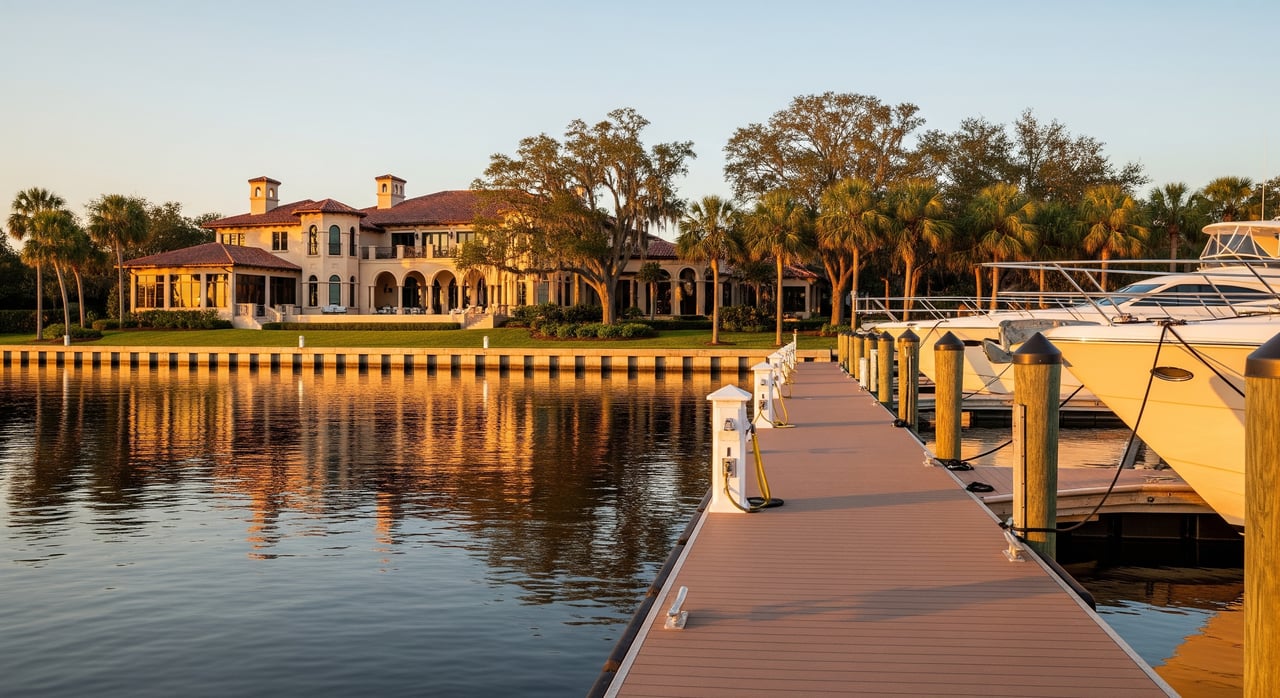
Queen’s Harbour is known for its controlled harbor with a lock that separates the community’s marina from open water. The goal is simple: calm, secure water inside the harbor and more predictable dock conditions.
That lock is the defining feature for boaters. It can add a short step to your trip but often gives you quieter, steadier water at your home dock. Before you buy, verify the lock’s operational details, size limits, and any rules with the marina office or HOA.
What to confirm about the lock
- Maximum vessel dimensions: length overall, beam, and draft.
- Operating hours, staffing, and any reservation procedures.
- Rules for guests or service vessels entering the harbor.
- Hurricane or storm protocols for lock operations.
Queen’s Harbour lifestyle and day trips
You get a gated community feel with a strong boating culture. Expect a clubhouse-driven social scene where neighbors plan cruises, casual raft‑ups, and fishing outings. Calm water at the docks can make day-to-day life easier for families and guests.
From the harbor, popular day trips include short runs to Mayport and Fort George, relaxed cruises north to Amelia Island, and scenic trips south toward St. Augustine along the ICW. Always check current charts and local guidance before you go.
Convenience trade-offs to weigh
- Security and calm water inside the lock vs. the extra step of transiting the lock when you head out or return.
- Predictable dockage in a private harbor vs. more flexibility at public marinas for larger or specialty vessels.
- Community rules and upkeep that support the harbor vs. HOA oversight that sets standards you must follow.
Compare boating neighborhoods
Every boater uses the water differently. Here is how Queen’s Harbour stacks up against other local options:
Gated harbor communities with locks
- Pros: protected water, security, marina-centered social life.
- Cons: vessel size limits and operational rules set by the lock and HOA.
Riverfront neighborhoods on the St. Johns
- Pros: direct river access and typically deeper water for a wider range of boats.
- Cons: more wakes and occasional commercial traffic exposure.
Creek and tributary subdivisions
- Pros: quiet, sheltered settings with easy access to the ICW or St. Johns.
- Cons: potential shallow spots and shoaling to monitor seasonally.
Ocean and ICW communities near the beaches
- Pros: fast access to coastal and offshore routes, beach lifestyle.
- Cons: more weather exposure and often higher ownership costs.
Developments near working marinas
- Pros: full-service facilities for fuel, repairs, and haul-outs.
- Cons: busier traffic and potential commercial noise.
Buyer verification checklist
Bring this list to your showing and the marina office, and get answers in writing:
- Exact lock specs: max length overall, beam, draft, operating hours, and procedures.
- Slip status: deeded or leased, transfer rules, slip number, and any waiting lists.
- Dock utilities: shore power amperage, water, lighting, and communications.
- Structural condition: pilings, decking, cleats, ladders, and ownership responsibility.
- Bylaws and rules: guest use, liveaboard restrictions, maintenance, and transfer fees.
- Dredging and seawalls: who pays, past projects, and future schedule.
- Insurance requirements: coverage for slip holders and any master policy for docks.
- Hurricane plan: haul-out options, in-water protection standards, and lock protocols.
- Local support: nearest fuel, haul-out capacity, and typical service lead times.
- Navigation context: typical depths at mean low water and route options for common trips.
Storm prep and insurance
A locked harbor can help moderate water conditions, but no setup is storm-proof. Ask for the community’s hurricane history, required boat prep steps, and whether boats must be hauled for certain storms. Review flood zones and wind coverage with your insurer, including hurricane deductibles and any special policy requirements for coastal homes.
Services and support ecosystem
Your boating experience improves when support is close by. Factor in where you will fuel, who will maintain your boat, and where you can haul out if needed. Ask about mobile mechanics, fiberglass and electronics services, and parts availability. If you trailer smaller craft, confirm nearby launch ramps and parking rules.
Choose your best fit
Start with your boat and your routine. Weekend bay fishing looks different from long-range coastal cruising. Match your boat’s draft, length, and mast height to the community’s access and rules. If you want calm, secure dockage with a strong community feel, Queen’s Harbour can be a standout choice. If you need maximum flexibility for a larger vessel, riverfront or marina-centered options might serve you better.
How we help you buy with confidence
You deserve a smooth, well-informed process. Our team helps you align your boating lifestyle with the right neighborhood, coordinates virtual or in-person tours, and keeps your timeline on track. We will guide you on what to verify with the marina office and HOA so you can move forward with clarity.
Ready to explore homes in Queen’s Harbour or compare other boating neighborhoods across Jacksonville? Connect with the Sarah Schwartz Group for fast, local guidance and a concierge-style experience.
FAQs
What makes Queen’s Harbour unique for boaters?
- The community features a controlled harbor with a lock, designed to provide calm, secure dockage while still offering access to the ICW and nearby routes.
How does the Queen’s Harbour lock affect daily boating?
- The lock adds an extra step when leaving and returning, but it helps maintain predictable water levels and calmer conditions inside the harbor.
Can I keep a large boat in Queen’s Harbour?
- Possibly, but you must verify maximum length, beam, and draft with the marina office since the lock and slip sizes set the limits.
What should I check before buying a waterfront home here?
- Confirm slip ownership, utilities, structural condition, HOA rules, dredging responsibilities, insurance requirements, and hurricane procedures in writing.
How close is Queen’s Harbour to ocean access at Mayport?
- You can reach ocean waters via the Mayport inlet after exiting the harbor and following marked channels, but always consult current charts and local guidance.
What insurance considerations matter for Jacksonville waterfront?
- Review flood zones, wind coverage, hurricane deductibles, and any community insurance requirements for docks or slips with your insurer before you bind a policy.